
SAIL: Advancing Photonics for Astronomy and Industry
The Sydney Astrophotonic Instrumentation Laboratories (SAIL) operate within the Sydney Institute for Astronomy (SIfA) and the Institute for Optics and Photonics (IPOS) at the University of Sydney. Directed by Professor Sergio Leon-Saval, SAIL is the experimental hub for developing photonics-based instruments for astronomy, space, defence and industry.
SAIL focuses on advanced optical instrumentation, producing specialty devices including photonic lanterns, fibre Bragg gratings, laser frequency combs, scramblers, and hexabundles with high optical throughput and low focal-ratio degradation. The laboratory’s research spans spectroscopy, interferometry, wavefront sensing and imaging, with applications ranging from ground-based telescopes to CubeSat missions and remote sensing.
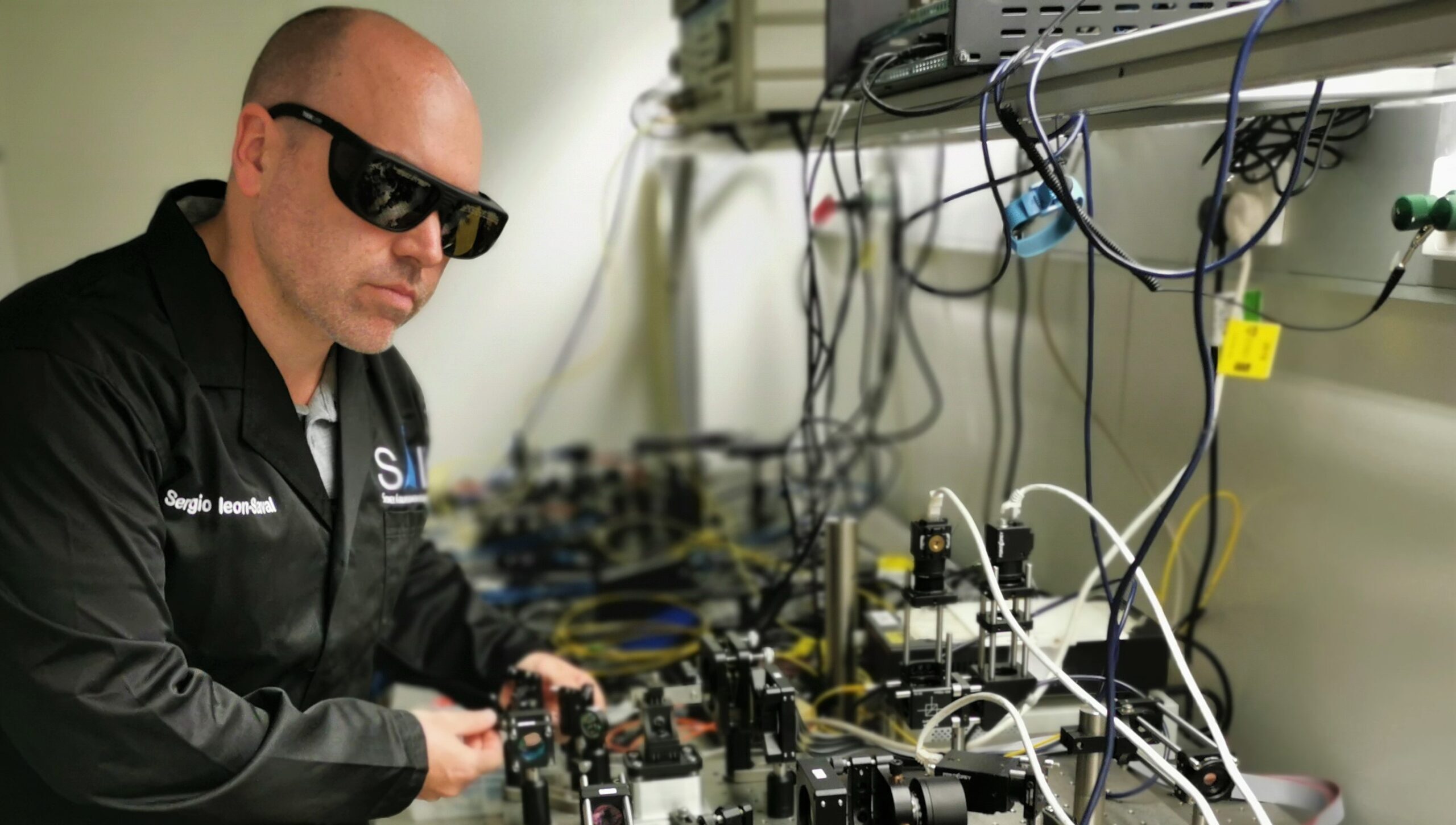
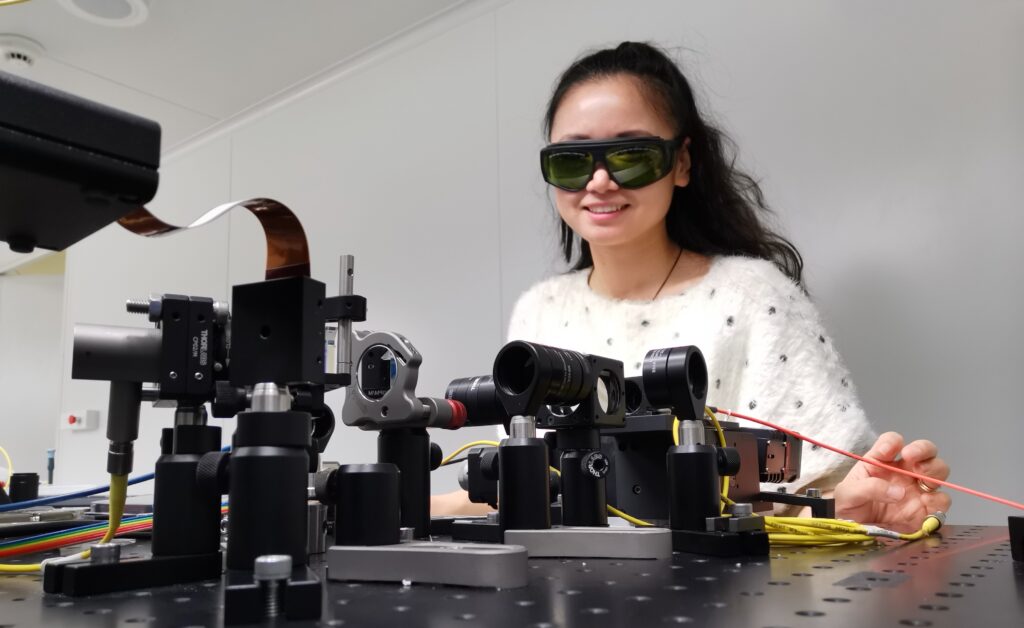
Key projects include the Asgard instrument suite for ESO’s Very Large Telescope Interferometer (comprising the Heimdallr fringe tracker and GLINT photonic nuller), photonic wavefront sensors for next-generation adaptive optics, and the TOLIMAN space telescope — a CubeSat mission to search for exoplanets around Alpha Centauri. SAIL also translates its photonic innovations to industry, with applications in telecommunications, satellite communications, hyperspectral imaging and environmental gas sensing.
SAIL collaborates closely with Astralis-USYD, the University of Sydney node of the national Astralis Instrumentation Consortium, which develops new technologies in optical fibres, photonics, interferometry and robotic positioning for instruments such as the Hector galaxy survey spectrograph on the Anglo-Australian Telescope.